When the arrow flies or the trigger is pulled, your next moves can make the difference between a successful recovery and a lost animal. Whether your shot was perfect or questionable, these steps can help protect the trail for a tracking team and increase your odds of recovery.
Step 1 Pause. Breathe. Observe.
Immediately after the shot:
Observe: Note where the animal was hit, where it ran, and how it reacted (hunched, stumbled, tail tucked, etc.).
Listen for cues: Crashing, slowing, or a final fall can offer important clues.
Mark the last sighting: Mentally (or physically) mark the exact spot you last saw the animal.
💡 Use your rangefinder, GPS pin, or a small marker to record key locations.
Step 2 Don’t Rush – Give It Time
For double-lung or heart shots, wait at least 30 minutes before approaching.
For liver or gut shots, wait 4–6 hours (or longer).
If you’re unsure about the shot placement, it’s always best to back out and call a tracker.
❌ Rushing into the trail too soon can push the animal farther or erase critical scent/blood clues.
Step 3 Mark the Point of the Shot
Physically mark
Where the animal was standing at the time of the shot.
Direction of travel and first blood, if visible.
Use surveyor’s tape, a GPS pin, or natural markers to help the tracker find the start point.
Step 4 Minimize Disturbance
While waiting:
Stay out of the area: Avoid walking through brush or tracking on your own.
Don’t allow others (family, friends, dogs) to enter the area.
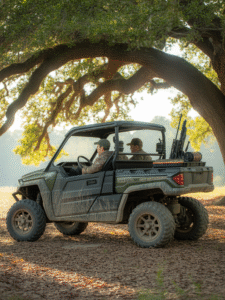
Turn off UTVs or loud engines—let the woods settle.
🐾 Every footstep can disturb scent trails or blood sign that dogs rely on.
Step 5 Take Photos (Optional)
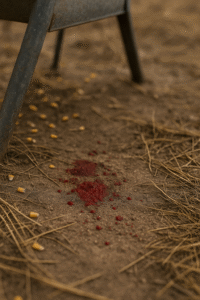
If there’s visible blood:
Snap a few photos of the color, bubbles, or thickness.
This helps the tracker assess hit type before arriving.
Step 6 Call a Tracker ASAP
Don’t wait until morning if you’re unsure about the shot:
Early contact = faster recovery
Most trackers can advise you on when to start the track or whether to wait longer
Don’t drag your feet or sweep with a stick—this wipes scent.
Don’t field dress until recovery is confirmed.
Final Thoughts
The shot is only the beginning of the recovery story. What you do in the minutes and hours that follow can either preserve a good trail—or erase it completely.
Whether your shot felt solid or uncertain, staying calm and choosing patience over pressure is the best way to honor the hunt. Backing out, observing carefully, and calling a tracker when needed are not signs of failure—they’re signs of a responsible and ethical hunter.
Every recovery is a team effort between you, your instincts, and the tracker’s dog. By making smart choices after the shot, you’re giving that tracking team the clearest possible trail to follow—and giving yourself the best chance at recovering your animal quickly and respectfully.
🐾 Remember: One poor decision can cost the recovery. One wise decision can seal it.
When in doubt, slow down, mark the sign, and give us a call.